
Is Diabetes Mellitus Type 2 an Autoimmune Disease?
Imagine learning that the diabetes you’ve been living with for so long may be related to your immune system — but not in the way you thought. Is type 2 diabetes an autoimmune disease? The answer is no, not in the traditional sense. Type 2 diabetes is generally classified as a metabolic disorder, not a classic autoimmune disease like type 1 diabetes.
So what exactly happens in type 2 diabetes? The body typically develops insulin resistance. This means that cells don’t respond effectively to insulin, the hormone that enables glucose to move from the blood into cells. Over time, the pancreas can struggle to produce enough insulin to maintain normal blood sugar levels. This combination of insulin resistance and insufficient insulin production is at the heart of how type 2 diabetes develops.
Confusion often arises because the immune system and inflammation can also play a role in type 2 diabetes. This does not make type 2 diabetes an autoimmune disease. Type 1 diabetes, on the other hand, is an autoimmune disease in which the immune system attacks and destroys the beta cells of the pancreas that are responsible for producing insulin.
This understanding is important because the underlying mechanisms, treatment, and management of type 1 and type 2 diabetes differ. This guide explains the differences and presents the current state of scientific knowledge regarding type 2 diabetes and the immune system.
What Is Type 2 Diabetes?
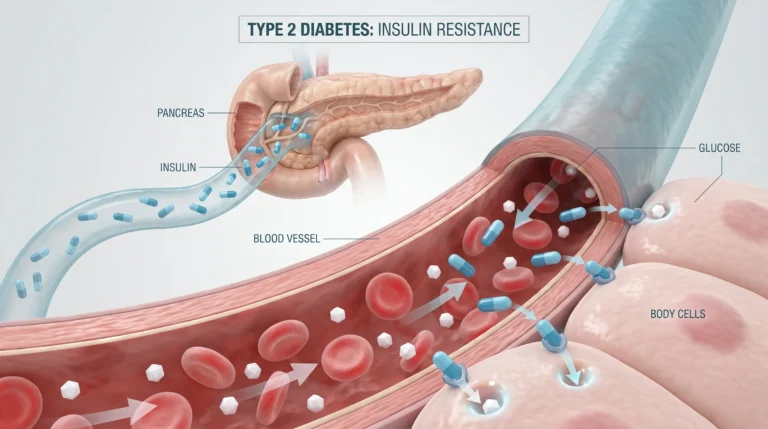
Your blood sugar levels can increase progressively for years before you realize you have the problem. Type 2 diabetes is a chronic metabolic disease that affects glycemic control. But what exactly happens in the body when type 2 diabetes develops?
The process often begins with insulin resistance. Insulin is a hormone produced by the pancreas that moves glucose from the blood into the cells, where it is used as a source of energy. When the cells of the body become less sensitive to insulin, glucose is more able to enter them, which leads to an increase in blood sugar.
The pancreas contains specialized beta cells that produce and release insulin. In the early stages of type 2 diabetes, these cells may produce more insulin to compensate for insulin resistance. However, over time, the function of beta cells can decrease, making it more and more difficult for the body to maintain normal blood sugar levels.
This combination of insulin resistance and decreased insulin production is essential for the development of type 2 diabetes. High blood sugar can eventually cause symptoms and increase the risk of complications affecting the heart, kidneys, eyes, nerves, and other parts of the body.
Is Type 2 Diabetes an Autoimmune Disease?
If you have type 2 diabetes, you may wonder whether your immune system is actually attacking your body. So, is type 2 diabetes an autoimmune disease? Generally, no. Type 2 diabetes is primarily classified as a metabolic disease, not a classic autoimmune disorder.
So, is type 2 diabetes autoimmune? The key difference is what causes the underlying damage. In type 2 diabetes, the body typically develops insulin resistance, meaning cells become less responsive to insulin. Over time, the pancreas may also struggle to produce enough insulin to maintain healthy blood glucose levels.
However, the story is more complex than simply saying that the immune system has nothing to do with type 2 diabetes. Research suggests that type 2 diabetes and the immune system can be connected through inflammation and other immune-related processes. For example, chronic low-grade inflammation may contribute to insulin resistance and metabolic dysfunction. This immune involvement, however, does not mean type 2 diabetes is classified as an autoimmune disease.
The distinction becomes clearer when comparing autoimmune diabetes vs. type 2 diabetes. In type 1 diabetes, the immune system mistakenly attacks and destroys insulin-producing pancreatic beta cells. In type 2 diabetes, insulin resistance and progressive beta-cell dysfunction are the primary mechanisms.
Understanding this difference can help explain why these two major forms of diabetes require different approaches to management.
Difference Between Type 1 and Type 2 Diabetes
Feature | Type 1 Diabetes | Type 2 Diabetes |
Autoimmune component | Yes | Generally no |
Main problem | Immune-mediated beta-cell destruction | Insulin resistance + progressive beta-cell dysfunction |
Insulin production | Very low/absent | Often initially present |
Typical treatment | Requires insulin | Lifestyle changes, medications, and sometimes insulin |
Usual onset | Often younger, but can occur at any age | More common in adults, but can occur at any age |
Which Is Worse: Type 2 Diabetes or Type 1?
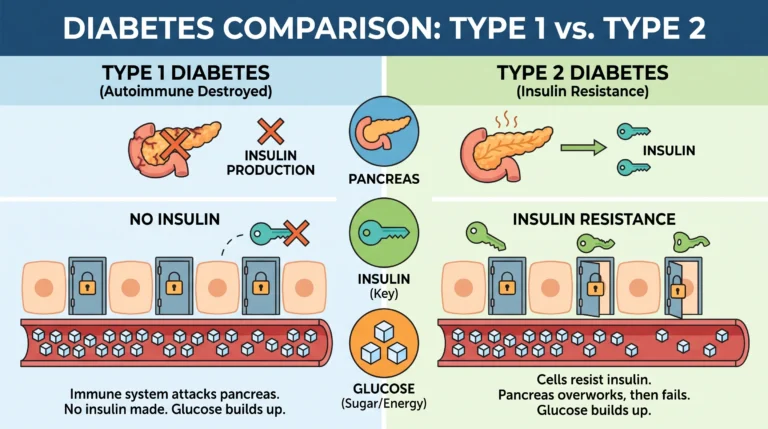
When you hear the words type 1 or type 2 diabetes, it’s natural to wonder which one is worse. The truth may be different from what you expect: neither type can be universally labeled as “worse.” Both type 1 and type 2 diabetes are serious conditions that can cause complications when blood glucose remains poorly controlled, but they differ significantly in their causes, treatment, and progression.
Type 1 diabetes is an autoimmune disease in which the immune system mistakenly attacks and destroys the insulin-producing beta cells in the pancreas. As a result, people with type 1 diabetes need insulin replacement to survive.
Type 2 diabetes, on the other hand, is primarily a metabolic condition associated with insulin resistance and progressive beta-cell dysfunction. Some people with type 2 diabetes can manage their condition through lifestyle changes and medications, while others may eventually need insulin therapy.
Both conditions can increase the risk of complications involving the heart, blood vessels, kidneys, eyes, nerves, and other organs, particularly when blood glucose is not well managed.
So, which is worse, type 2 diabetes or type 1? A better question is which condition a person has, how well it is controlled, and what other health factors are present. With appropriate medical care and ongoing management, people with either type can take important steps toward reducing their risk of complications.
Can Type 2 Diabetes Affect the Immune System?
Your immune system and blood sugar may be more connected than you realize. Yes, type 2 diabetes can affect immune function, particularly when blood glucose levels remain elevated over time. However, this does not mean that type 2 diabetes is an autoimmune disease.
The relationship between diabetes and immune function is complex. Persistently high blood glucose can interfere with several aspects of the body’s normal defense mechanisms, potentially making it harder to respond effectively to certain infections. This is one reason people with poorly controlled diabetes may have an increased risk of some infections.
Inflammation is another important part of the picture. Type 2 diabetes is associated with chronic, low-grade inflammation and metabolic dysfunction. Inflammation can interact with insulin signaling and may contribute to insulin resistance, one of the defining features of type 2 diabetes. Researchers continue to study the complex relationship between metabolism, inflammation, and immune responses.
But there is an important distinction: an effect on the immune system does not automatically make a disease autoimmune. In an autoimmune disease, the immune system mistakenly targets the body’s own cells or tissues. In type 1 diabetes, for example, immune-mediated destruction of pancreatic beta cells is a central feature.
In type 2 diabetes, the primary problems are insulin resistance and progressive beta-cell dysfunction, although immune and inflammatory pathways may also contribute to disease development.
Type 2 Diabetes, Diet and Breakfast

Can your first meal of the day affect your blood sugar levels in the hours that follow? Yes, choosing a balanced breakfast is essential for managing type 2 diabetes. A healthy breakfast for people with type 2 diabetes generally prioritizes nutrient-rich foods, sufficient protein, fiber, and appropriate portion sizes, rather than refined carbohydrates or added sugars.
For example: eggs with vegetables, plain Greek yogurt with berries and nuts, or porridge with protein and healthy fats. These combinations provide protein and fiber while contributing to a balanced meal.
What about smoothies for people with type 2 diabetes? Smoothies can be part of a diabetes-friendly diet, but the ingredients and portion sizes are important. A smoothie made primarily of fruit juice, sweetened yogurt, or a large amount of sugary ingredients can contain significant amounts of carbohydrates and added sugars. Opt for plain Greek yogurt or another protein source, non-starchy vegetables like spinach, a moderate portion of whole fruit, and unsweetened milk or a plant-based alternative.
Keep in mind that there is no single “ideal” breakfast for everyone with type 2 diabetes. Nutritional needs vary depending on medications, physical activity levels, blood sugar levels, and overall health.
If you have type 2 diabetes, it is advisable to discuss your diet with a healthcare professional or a registered dietitian. They can help you choose foods and portion sizes that are right for you.
When Should You See a Dietitian for Type 2 Diabetes?
If managing your diet, blood sugar, and diabetes medication feels like a real daily expense, a registered dietitian specializing in type 2 diabetes can help you gain clarity and develop a practical nutrition plan. If you have been diagnosed with diabetes, please consult a registered dietitian if you experience problems with your blood sugar, if your blood sugar levels change, or if you find it difficult to interpret your balance reports.
A registered dietitian can help you create a personalized nutrition plan based on your diet, preferences, lifestyle, physical activity level, and health goals. If you are following a restrictive regimen, review the comments on various foods and portion sizes that may affect your blood sugar levels.
Another important point is understanding food portion sizes. Glucose has a significant impact on blood sugar levels, and a registered dietitian can help you identify appropriate portion sizes and choose the right glucose and salt options.
A professional can also help you manage your meal plans and incorporate your dietary habits into your daily routine. If you take diabetes medication, your food choices and meal plans may need to be adjusted to your needs.
Finally, a registered dietitian can help you tailor your food choices to your medication and lifestyle, define realistic dietary goals, and ensure long-term sustainability.
The goal isn’t about achieving perfection, but rather about creating sustainable lifestyle choices that provide the best possible diabetes management while allowing you to continue enjoying the foods you choose.
Signs of Diabetes at Night

Waking up repeatedly during the night may seem like a normal part of getting older, but sometimes your nighttime symptoms can be a sign that something else is going on. Some possible signs of diabetes at night include frequent urination, increased thirst, dry mouth, fatigue, and blurred vision. However, these symptoms can also have other causes and do not confirm diabetes on their own.
Frequent nighttime urination may occur when blood glucose levels are elevated. The kidneys work to remove excess glucose from the blood, which can increase urine production and lead to more trips to the bathroom.
Increased thirst and dry mouth can accompany frequent urination because losing more fluid may leave the body dehydrated. You may notice that you’re waking up at night feeling unusually thirsty or needing water.
Fatigue is another possible symptom. When glucose cannot be used effectively by the body’s cells, you may feel unusually tired or lack energy, although nighttime fatigue can have many possible explanations.
Some people may also experience blurred vision when blood glucose levels change. Persistent or unexplained changes in vision should be discussed with a healthcare professional.
If you regularly experience these symptoms, especially several together, don’t simply ignore them. Talk with a healthcare professional about whether diabetes testing is appropriate. Early evaluation can help identify high blood glucose and guide appropriate management.
Can Type 2 Diabetics Give Blood?

If you have type 2 diabetes, you may be wondering if your diagnosis automatically disqualifies you from donating blood. In many cases, people with type 2 diabetes can donate blood, but having diabetes does not guarantee eligibility. Eligibility criteria vary depending on your overall health, medications, blood sugar control, and the policies of the blood transfusion organization.
For those searching for “Can people with type 2 diabetes donate blood?“, it’s important to remember that eligibility is determined on a case-by-case basis. Some blood transfusion organizations may consider your diabetes control and the medications you take. Other health factors, such as your current health status and recent medical procedures, can also influence your ability to safely donate blood.
Before scheduling an appointment to donate, inform the blood transfusion center about your type 2 diabetes, medications, and relevant medical history. Staff will then be able to review your situation and determine if you meet the current eligibility criteria.
If you reside in the United States, consult the latest eligibility guidelines directly with a recognized blood transfusion organization, such as the American Red Cross, as the criteria may change. Never interrupt or alter your diabetes medication solely to be able to donate blood.
If you are unsure whether you are a good candidate for blood donation, consult your healthcare provider and the blood center before donating. Your safety should always be your priority.
Conclusion
So, is type 2 diabetes an autoimmune disease? The answer is generally no. Type 2 diabetes is primarily considered a metabolic disease characterized by insulin resistance and progressive changes in pancreatic beta cell function, rather than an autoimmune disease in which the immune system directly attacks the body’s own cells.
That said, the relationship between type 2 diabetes, inflammation, and the immune system is complex. Immune and inflammatory processes can contribute to insulin resistance and other metabolic changes, but this differs from the autoimmune mechanisms associated with type 1 diabetes.
It is important to understand the difference between type 1 and type 2 diabetes because the diseases have different causes, treatments, and approaches to disease management. Both can lead to serious complications when blood sugar control is not maintained, making appropriate medical care and ongoing management essential.
Lifestyle choices can also play an important role in managing type 2 diabetes. A balanced diet, nutritious snack choices, regular physical activity, and personalized advice from a healthcare professional or registered dietitian can all contribute to overall diabetes management.
If you experience possible symptoms of diabetes at night, have concerns about your blood sugar levels, or are unsure of your diagnosis, speak with a qualified healthcare professional. Rather than relying solely on online information, appropriate testing and personalized medical advice can help you understand your condition and make informed decisions about your health.
This article is for informational purposes only. Consult your doctor before making any health decisions.
You May Also Want to Read
Frequently Asked Questions
Is type 2 diabetes an autoimmune disease?
No. Type 2 diabetes is generally classified as a metabolic disease involving insulin resistance and progressive beta-cell dysfunction. Unlike type 1 diabetes, it is not considered a classic autoimmune disease.
What is the main difference between type 1 and type 2 diabetes?
Type 1 diabetes is an autoimmune condition in which the immune system attacks insulin-producing beta cells. Type 2 diabetes primarily involves insulin resistance and impaired insulin production.
Can type 2 diabetes affect the immune system?
Yes. Persistently elevated blood glucose can affect immune function, while inflammation and immune-related processes may also contribute to insulin resistance.
Does inflammation cause type 2 diabetes?
Chronic low-grade inflammation is associated with type 2 diabetes and may contribute to insulin resistance, but it is only one part of a complex disease process.
Can diet help manage type 2 diabetes?
A balanced eating pattern can be an important part of type 2 diabetes management. Meals that include appropriate portions of protein, fiber-rich foods, vegetables, and nutrient-dense carbohydrates may help support blood glucose management.
What are some signs of diabetes at night?
Possible symptoms include frequent nighttime urination, increased thirst, dry mouth, fatigue, and blurred vision. These symptoms can have other causes, so testing is needed to determine whether diabetes is present.